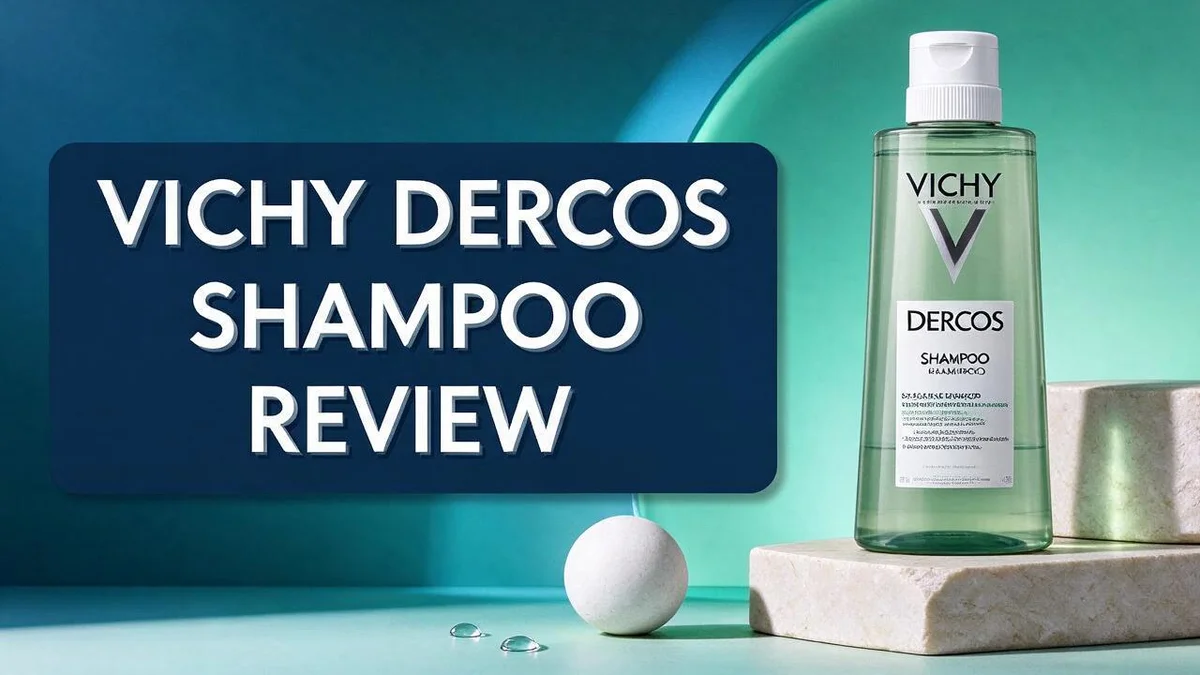
Vichy Dercos Shampoo Review: Is It Worth Trying?
If flakes keep showing up on your shoulders, you know how frustrating that feels. Vichy Dercos Shampoo is a dermatological option for people who want help with their scalp. It is an anti dandruff shampoo made for normal to oily hair.
This review looks at what the shampoo does and who it suits best. We cover the key ingredients, including selenium sulfide, the main active in the classic formula. We also explain how the Salicylic Acid version differs.
Hair care can feel confusing with so many bottles on the shelf. Some formulas work well for one person and not for another. Read on to see if this shampoo deserves a spot in your shower.
In a Nutshell
- Built on selenium sulfide: This active ingredient targets the yeast that often drives dandruff on the scalp.
- Sold as a dermatological product: Vichy positions this shampoo closer to a treatment than a daily cleanser.
- Two versions to compare: The main formula relies on selenium sulfide, while the Salicylic Acid option uses a different ingredient list.
- Sulfate content to note: The main formula contains sodium laureth sulfate, a cleansing agent that some people with sensitive scalps prefer to avoid.
- Other Dercos options: The brand also offers a Salicylic Acid Water-to-Foam for curly or coily hair and a Kera-Solutions Resurfacing Shampoo.
- A useful benchmark: L’Oréal Professionnel Absolut Repair Shampoo is the closest ingredient match to Kera-Solutions, so it helps you compare options side by side.
Key Ingredients

- Medicated Dandruff Shampoo & Itchy, Dry Scalp Relief: Vichy Dercos Antifungal shampoo, made with...
- Continuous Dandruff Control and Fast Acting Itch Relief: Eliminates up to 100% visible flakes, long...

Last update on 2026-11-17 / Affiliate links / Images from Amazon Product Advertising API
Beyond the main active, the formula includes several supporting ingredients. Water makes up the base. Coco betaine works as a gentle cleansing partner that helps the shampoo rinse clean.
Glycerin is a humectant. It pulls moisture into the scalp and helps prevent the tight, dry feeling that can follow a medicated wash. A dry scalp can flake more, so this matters.
Dimethicone is a silicone that coats each strand. It leaves hair feeling smoother and easier to comb, though it does not treat the scalp itself.
Carbomer acts as a thickener. It gives the shampoo its creamy texture, so it spreads evenly over the scalp and stays where you apply it.
Citric acid helps adjust the pH level of the product. A balanced pH keeps the formula stable and comfortable on the skin.
The Salicylic Acid version uses different helpers. It relies on a sodium olefin sulfonate cleanser and cocamidopropyl betaine. Benzoic acid also appears, and it helps keep the product fresh by slowing microbial growth.
Ingredients work as a team in any shampoo. The cleansers lift oil and debris, while the conditioning agents soften what remains. This balance helps the scalp feel clean without feeling stripped.
Ingredient lists can look long at first glance. Focus on the ingredients you know you react to, and skip the rest. Simple steps like this make shopping less stressful.
Finally, ingredient knowledge gives you confidence. You can compare labels across brands and see which formula matches your scalp needs. Your choice should fit your hair type, not just the marketing on the bottle.
Texture and Application
Texture often shapes your first impression of a shampoo. Vichy Dercos usually feels thick and creamy in the hand. A small amount goes a long way.
Wet your hair first and work the product into a little water. This step helps it spread evenly across the scalp. It builds a soft lather that feels gentle rather than squeaky.
For best results, focus on the scalp, not the lengths. Use your fingertips in small circles. Massage for about one minute. The foam will rinse down the lengths on its own. Work in sections if your hair is long or thick.
Timing matters with a treatment style shampoo. Many people leave it on for a few minutes before rinsing. This gives the active ingredient more time on the scalp. Always check the label for current directions, since instructions can change.
Rinse with warm water until no slippery film remains. Hair that feels heavy after rinsing often means product stayed behind. Use less next time or rinse a little longer.
Fine or oily hair may feel the texture differently than thick hair. Adjust the amount you use to match your hair density. Start small and add more only if the lather feels thin.
How often should you use it? Many people start with two or three washes each week. Then they adjust based on how the scalp feels. If itching or flakes persist, a dermatologist can offer personal guidance.
Pat hair dry with a soft towel instead of rubbing. This keeps strands calm and reduces frizz.
If your ends feel dry, add conditioner only to the lengths. Keep it away from the scalp so the treatment can work. Overall, the texture feels like a treatment rather than a light daily wash. That makes the application steps worth following closely. With a little practice, the routine becomes quick and easy.
Scalp Types and Suitability
Your scalp type decides whether this shampoo fits your routine. It suits normal to oily scalps best. Oil and flakes often show up together on these scalps.
Oily scalps tend to produce extra sebum. Regular washing keeps that oil from building up. This shampoo helps lift excess grease while calming mild irritation.
Dry scalps need a different approach. Many people with dry scalps notice tightness after a strong dandruff wash. Use this shampoo less often if your scalp feels parched.
Flaky scalps often need the most attention. Dandruff can come from yeast, dryness, or oil. This shampoo targets flakes linked to oily conditions. Other causes may need different products.
Sensitive scalps deserve extra care. Always test a small patch of skin first. Apply a small amount behind your ear and wait 24 hours. Stop use if redness or burning appears.
Watch how your scalp responds during the first few uses. New itching or soreness means you should pause. A dermatologist can offer clear guidance for those signs.
Itchy scalps respond well to gentle, consistent washing. Scratching can worsen irritation and cause tiny cuts. Keep your nails short and massage with your fingertips instead.
Hair texture also plays a role. Straight or wavy hair usually works well with this formula. Very curly or coily hair may need a different option from the Dercos range.
Pregnancy or certain medications can change scalp health. Check with your doctor before starting any medicated shampoo. A simple check protects both your skin and your hair.
Seasonal changes affect scalp comfort too. Cold, dry weather often makes flakes worse. Many people adjust their wash schedule during winter months.
Keep a simple log for two weeks. Note how your scalp feels after each wash. That record shows you whether this shampoo truly suits your scalp.
Top 3 Alternatives
Looking for other options to Vichy Dercos? These three shampoos offer strong choices. Each one fits a different scalp or hair need.
Neutrogena T/Gel

- Neutrogena T/Gel Scalp Relief Anti-Dandruff Shampoo (150ml)
Last update on 2026-11-17 / Affiliate links / Images from Amazon Product Advertising API
Neutrogena T/Gel contains coal tar, which slows the buildup of skin cells on the scalp. It helps with flaking, itching, and dandruff.
Use it two or three times each week. Lather, leave it on for a minute, then rinse well. Coal tar can stain light or color-treated hair, so check your hair type first.
Head & Shoulders Classic Clean

- TWICE THE VALUE FOR AN ALWAYS-ON ROUTINE: Dandruff is an ongoing concern. Consistent daily use is...
- 72-HOUR DANDRUFF PROTECTION: Head and Shoulders zinc pyrithione formula stays on your scalp after...
Last update on 2026-11-17 / Affiliate links / Images from Amazon Product Advertising API
Head & Shoulders Classic Clean is a gentle option for everyday use. It contains zinc pyrithione to fight flakes and itch.
Many people use it daily because it feels easy on the scalp. It also leaves hair feeling clean and light. Rinse thoroughly so no residue stays behind.
Nioxin Cleanser Shampoo

- 85% of consumers noticed a thickening effect, 80% noticed an increase in hair density, 80% noticed...
- Thickens the hair: Nioxin System Kit 2 is clinically designed to add thickness and fullness to...
Last update on 2026-11-17 / Affiliate links / Images from Amazon Product Advertising API
Nioxin Cleanser Shampoo targets hair that looks thin or feels weak. It removes buildup that can weigh hair down.
Pair it with the matching conditioner for the best results. It suits people who want fuller-looking hair. Give it several months to see steady changes, not overnight results.
Choose the one that matches your scalp needs most.
Results and Effectiveness
Results depend on patience, not one wash. Many people hope for a quick change after the first bottle. With this shampoo, the real test shows up over several weeks.
The main active is selenium sulfide. It works against the yeast that often sits behind dandruff flakes. Fewer flakes usually appear as that yeast stays under control.
Flakes may fade before itching does. Some people notice less white dust on their shoulders first. Itching can take a little longer to settle.
Expect a gradual pattern rather than an instant reset. Your scalp may look calmer after one or two weeks. Full comfort may take longer for some people.
Watch for these signs of progress. Look for fewer flakes on dark clothing. Notice whether you scratch less at night. Check whether redness along the hairline starts to fade.
Results can also differ from person to person. Compare your progress with your own starting point, not with someone else’s photos or reviews.
Take photos to track changes. Photos taken in the same light help you see slow improvement. Memory often misses small shifts over time.
Some problems need a doctor’s check. If flakes spread, or if redness, pain, or hair loss appears, see a dermatologist. A shampoo alone may not solve every scalp issue.
Some people also compare results with other options. Milder dandruff shampoos may suit sensitive skin better. A clear comparison helps you decide what works best for you.
Give the shampoo about four weeks before you judge it. This gives your scalp time to respond to steady use. Consistent care gives the clearest outlook. If irritation grows worse at any point, stop using the product and ask a professional for advice.
Scent and Feel
Scent matters more than many people expect. You smell a shampoo every time you wash your hair. A light, clean smell feels easier to live with over several weeks.
Pay attention to how the fragrance changes. A scent may seem bright when you first open the bottle. It can feel different once the hair dries, so check again the next day. Your nose often adjusts, so a smell that seems strong at first may become easier to enjoy.
Foam gives a clear clue about cleansing. The formula includes sodium laureth sulfate, which is a sulfate surfactant. Sulfates usually create a rich lather that many people link with a thorough wash.
A rich lather does not always mean better results. Some scalps feel tight after a strong cleanse. If your skin feels stretched or squeaky, you may want to slow down how often you use it. Gentle habits often feel better over time.
Feel on the scalp tells its own story. Notice whether the scalp feels calm, cool, or slightly dry after rinsing. These signals show how well the shampoo suits your skin. Comfort matters as much as cleanliness.
Hair feel can change across the week. Clean strands may feel light on the first day. By the third day, you may notice more natural body or a bit more oil at the roots. This pattern is normal, so do not judge the shampoo from one wash.
Keep notes on scent and feel. Write down how the shampoo smelled, lathered, and felt after each use. Small notes help you spot patterns that you might otherwise miss. A simple phone note works well for this.
Compare it with your current shampoo. Place your usual bottle beside this one. Smell both on dry hair and think about the mood each one creates. Ask yourself which scent you would rather notice during a busy morning.
Test it in real life, not just in the shower. Notice how your hair smells during the day, at work, or after a workout. Strong scents can fade quickly, while a mild scent may stay pleasant for hours.
Give your senses a fair test. Use the shampoo for at least two weeks before you decide. Short trials can hide how the scent and feel really settle. Trust your own experience, because a pleasant smell and comfortable feel make a routine easier to keep.
Pros and Cons
Pros
- The formula uses selenium sulfide, a main active for dandruff.
- It is made for normal to oily hair types.
- It is sold as a dermatological shampoo.
- A salicylic acid version gives you a second option.
- The ingredient list includes glycerin and dimethicone for a smoother feel.
Cons
- It contains sodium laureth sulfate, a sulfate surfactant.
- Sulfates can feel harsh on a sensitive scalp.
- It may not suit people with dry or very curly hair.
- Results can take several weeks to appear.
Who Should Buy It
This shampoo suits people with oily roots and visible flakes. Many shoppers feel stuck between a shampoo that cleans well and one that keeps the scalp calm.
If you wash your hair every day, a formula made for oily hair fits your routine. You can reach for it on days when flakes feel most noticeable.
People who already own a gentle everyday shampoo may like a targeted option too. Many people use a treatment shampoo a few times each week and keep their usual bottle for the rest.
It also appeals to people who prefer a dermatological product. Sold as a dermatological shampoo, it suits shoppers who want a clinical background instead of a general cosmetic.
Busy adults often skip long routines. A shampoo that fits into a quick shower can help them stick with their care plan.
Those who tried milder dandruff shampoos without much change should consider this one. Community threads often share other picks, so compare a few options before you decide.
Gym goers who sweat often may also want to consider it. Sweat can add oil to the scalp.
A shampoo built for oily hair may suit a regular training schedule. Rinse well after workouts for the best feel.
Parents of teens with flakes can ask a pharmacist for advice before buying. Clear guidance helps families choose wisely.
Patience matters for this group. Use the shampoo in a steady routine, and avoid switching products every week. That way, you can judge the change fairly.
Finally, people who value clear labels will find the full ingredient list easy to read. Checking that list helps you spot any ingredient you want to avoid.
Think about your hair type first. If your hair is dry or very curly, look at another Dercos line, such as the version made for curly and coily hair. Shoppers who want a different brand can also compare the L’Oréal Professionnel Absolut Repair Shampoo.
Final Verdict
The verdict is clear. Vichy Dercos works best as a dandruff treatment. It does one job well when used for the right hair type. It works best for clear, specific needs.
Choosing it means choosing a purpose. You want a shampoo that targets flakes on oily hair. You do not need a general cleanser for dry or curly locks. Clear goals lead to happier results.
Check the label first. Pick the standard formula for oily roots. Choose the Salicylic Acid version if your hair is curly or coily.
Think about your current routine. If you already own a shampoo that leaves your scalp itchy, this option may give you a fresh start. Take time to compare results with your last product.
Compare it with the alternatives first. The Kera Solutions Resurfacing Shampoo targets a separate concern. The L’Oréal Professionnel Absolut Repair Shampoo focuses on hair repair, so it suits a separate goal.
Who should skip it? People with dry or very curly hair should look elsewhere. Anyone who wants a very gentle cleanse may prefer a milder option. If your scalp stays irritated, speak with a doctor first. Your scalp will tell you if it is wrong for you.
Give it a fair trial. Use it as directed and keep a simple log. Note flakes, itch, and oil levels each week. Clear notes show whether the shampoo earns a permanent spot.
Use it wisely. Start with two or three washes each week. Adjust the schedule based on how your scalp responds.
Final thought. Vichy Dercos earns a place for people with oily scalps and visible flakes. It is a focused tool, not a magic fix. Think of it as a targeted helper rather than a replacement for every shampoo you own. Pick it when your goal is clear, and your hair will show the difference.
Frequently Asked Questions
Can I use a conditioner with this shampoo?
Yes, you can. Apply conditioner only to the lengths and ends after you rinse. Keep it off the scalp so your roots stay light and clean.
Should I see a doctor if the flakes stay?
Yes, it is smart to ask a doctor or dermatologist if flakes, redness, or itching do not improve. A professional can check your scalp and suggest next steps. This shampoo supports your routine, but it does not replace medical care.
When should I stop using it?
Stop using it if your scalp burns, stings, or feels more irritated. Rinse well after each wash. If discomfort lasts, speak with a professional before you continue.
What if it does not suit my hair?
Look at a different option. The Kera Solutions Resurfacing Shampoo targets a separate concern, so it may fit your needs better. L’Oréal Professionnel Absolut Repair Shampoo is cited as the closest ingredient match for that line. Compare both options before you decide.

Emily is the founder and lead writer of ThriveGuide.blog, bringing over 8 years of experience in beauty journalism and product testing. With a background in cosmetic science and a passion for helping others discover their perfect products, Emily has tested thousands of beauty, fashion, and wellness items. Her honest, research-driven approach has helped countless readers make confident purchasing decisions. When not reviewing the latest products, Emily enjoys exploring sustainable beauty practices and sharing her discoveries with the ThriveGuide community.