
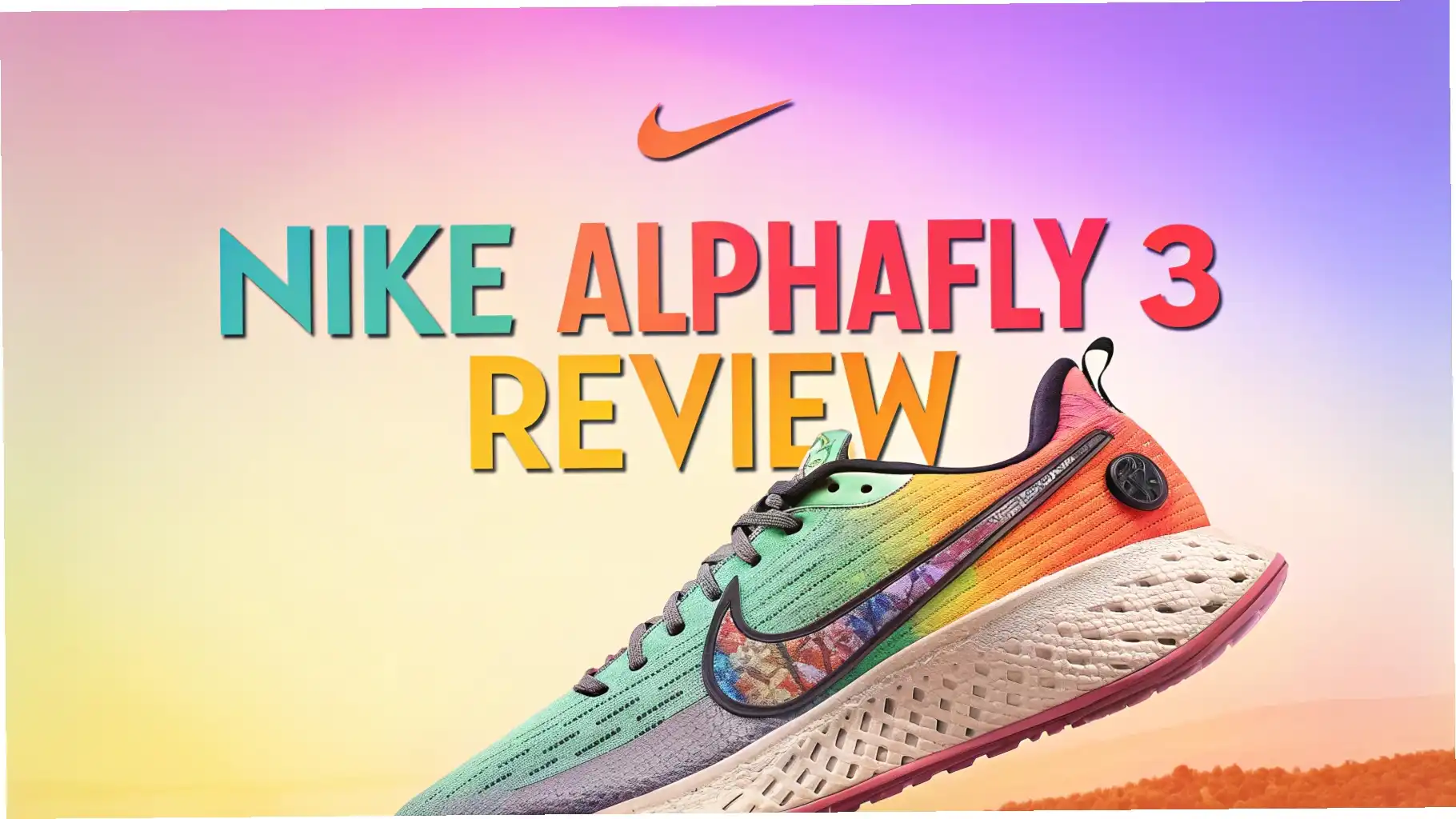
Nike Alphafly 3 Review: Is It Worth Your Money?
Running enthusiasts and competitive athletes are always searching for that perfect shoe that can shave precious seconds off their personal records.
The Nike Alphafly 3 has emerged as the crown jewel of racing footwear, capturing the attention of elite marathoners and weekend warriors alike.
This revolutionary running shoe promises to deliver unprecedented speed, comfort, and performance that could transform your racing experience forever.

Key Takeaways
- Lightest Alphafly Ever: At just 7.6 oz for men and 6.1 oz for women, the Alphafly 3 is significantly lighter than previous versions, reducing fatigue during long distance races
- Enhanced Stability: The wider carbon fiber plate and improved midsole geometry provide better stability without sacrificing the explosive propulsion the shoe is famous for
- Superior Comfort: The fully connected ZoomX foam midsole eliminates the gaps found in earlier models, creating smoother transitions and reduced hot spots during extended wear
- Premium Price Point: Retailing at $285, this is a serious investment that targets dedicated racers and performance focused runners who demand the absolute best
- Marathon Optimized: With 40mm heel stack and 8mm drop, the shoe is specifically engineered for marathon distances but performs excellently from 5K to ultramarathons
- World Record Credentials: This is the same shoe worn by elite athletes who have set multiple world records and Olympic victories, proving its race winning capabilities
Nike Alphafly 3 Technical Specifications and Design

- Nike Alphafly 3 Men's Road Racing Shoes
- Men to Women Sizing
The Nike Alphafly 3 represents a quantum leap in running shoe engineering. The technical specifications reveal why this shoe commands such respect in the running community. Weighing just 218g for a men’s size 10, the Alphafly 3 achieves remarkable lightness without compromising structural integrity or performance capabilities.
The shoe features a 40mm heel stack height and 32mm forefoot stack, creating an 8mm heel to toe drop that promotes efficient running mechanics. This geometry encourages a midfoot to forefoot strike pattern that maximizes the benefits of the embedded technology. The ZoomX foam extends from heel to toe in a continuous design, eliminating the segmented feel that some runners experienced with earlier versions.
Nike’s AtomKnit upper provides a sock like fit that adapts to foot shape while maintaining breathability during intense efforts. The material strategically places reinforcement zones in high stress areas while keeping weight to an absolute minimum. Texture treated laces ensure secure lockdown without pressure points, and the integrated knit tab with soft padding reduces lace pressure across the midfoot.
Revolutionary ZoomX Foam and Air Zoom Technology
The heart of the Alphafly 3’s performance lies in its dual foam system. Nike’s ZoomX foam delivers exceptional energy return while maintaining lightweight characteristics that don’t bog down your stride. Laboratory testing shows energy return rates of 74.9% in the heel and 73.9% in the forefoot, meaning nearly three quarters of the energy you put into each step comes back to propel you forward.
Two Air Zoom units positioned in the forefoot work in conjunction with the ZoomX foam to create what Nike calls a “double dose” of responsiveness. These units compress and expand with each footstrike, providing an additional burst of energy that becomes especially noticeable during the later stages of long races when leg fatigue typically sets in.
The continuous midsole design represents a significant improvement over the Alphafly 2. Previous versions had segmented foam sections that some runners found created an unstable or choppy ride. The Alphafly 3’s unified construction provides smooth transitions from heel to toe while maintaining the explosive propulsion characteristics that make this shoe so effective for racing.
Carbon Fiber Plate Technology and Propulsion
The full length carbon fiber plate in the Alphafly 3 has been redesigned to be slightly wider than previous versions, improving stability while maintaining the aggressive forward propulsion that defines the super shoe category. This plate works as a lever system, storing and releasing energy with each stride while encouraging efficient biomechanics.
The plate’s curvature matches the natural arc of the foot during push off, creating what engineers call a “rolling” effect that helps maintain momentum through each stride cycle. This design reduces the muscular effort required to maintain pace, allowing runners to preserve energy for the crucial final miles of a marathon or the finishing kick in shorter races.
Stability improvements address one of the main criticisms of earlier Alphafly models. The wider plate provides a more secure platform, reducing the sensation of instability that some runners experienced during cornering or on uneven surfaces. This enhancement makes the shoe more accessible to a broader range of runners while maintaining its elite level performance characteristics.
Fit, Comfort, and Sizing Considerations
Sizing for the Alphafly 3 generally runs true to Nike’s standard, but many runners find success going up a half size to accommodate foot swelling during long races. The AtomKnit upper provides a snug, sock like fit that may feel tight initially but adapts to foot shape over the first few runs.
Width options remain limited, with the shoe best suited for runners with narrow to medium width feet. Wide footed runners may experience discomfort or pressure points, particularly during longer efforts. The upper material does stretch slightly with use, but those requiring wide or extra wide fits should consider alternative racing shoes.
Comfort during extended wear has improved dramatically compared to previous Alphafly versions. The continuous ZoomX midsole eliminates pressure points that occurred where foam segments met in earlier models. Arch support is moderate, making the shoe suitable for most foot types, though runners requiring significant arch support may want to consider custom insoles.
Top 3 Alternatives for Nike Alphafly 3

- ENERGYRODS 2.0 limit energy loss
- Imported

- MOTION WRAP 2.0 upper is designed to improve breathability and comfort
- FF TURBO PLUS cushioning: Improves compression and helps provide more energy savings

- Jacquard mesh upper improves breathability: FF BLAST TURBO cushioning improves compression and...
- Curved sole design helps runners conserve more energy in each step: Carbon plate guides your foot...
Performance Testing: Track, Road, and Race Day Experience
Real world testing reveals the Alphafly 3’s exceptional versatility across different running scenarios. On the track, the shoe provides explosive responsiveness during interval workouts, though some runners find it almost too much shoe for shorter, high intensity efforts. The energy return becomes most noticeable during tempo runs and marathon pace segments.
Road performance showcases where this shoe truly excels. The continuous ZoomX foam handles various surfaces with confidence, from smooth asphalt to slightly rougher concrete. The wider carbon plate provides stability during cornering and navigation of road crowns without the tippy sensation that plagued earlier versions.
Race day testing across distances from 10K to marathon consistently demonstrates the shoe’s ability to maintain performance characteristics even as runner fatigue increases. Many testers report feeling “fresh” in the final miles of marathon efforts, attributing this to the energy return and reduced muscular effort required to maintain pace.
Durability and Longevity Analysis
Durability expectations for the Alphafly 3 align with other super shoes, typically lasting 100 to 200 miles depending on runner weight, stride characteristics, and running surfaces. The ZoomX foam maintains its performance characteristics well but does begin to compress and lose responsiveness after significant mileage.
Outsole wear patterns show good durability for a racing shoe, with the rubber compound providing adequate grip and longevity for most runners’ race schedules. However, using these shoes for daily training will significantly accelerate wear rates and is not recommended given the premium price point.
Upper durability has improved with the AtomKnit construction, showing better resistance to stretching and tearing compared to previous Flyknit versions. The material maintains its shape and support characteristics well through typical race shoe usage patterns.
Comparison with Previous Alphafly Versions
The Alphafly 3 versus Alphafly 2 comparison reveals significant improvements across multiple areas. The continuous midsole design eliminates the segmented feel that some runners disliked in the Alphafly 2. Weight reduction of approximately 20 grams provides noticeable benefits during long runs without sacrificing performance.
Stability improvements represent the most significant upgrade. The wider carbon plate and refined geometry make the shoe more accessible to average runners while maintaining the explosive characteristics that elite athletes demand. Comfort enhancements through the unified midsole and improved upper design address the primary complaints about earlier versions.
Performance differences are subtle but meaningful. Testers consistently report smoother transitions and reduced hot spots during extended wear. The refined Air Zoom unit placement provides more consistent energy return throughout the stride cycle.
Ideal Runner Profile and Use Cases
The perfect Alphafly 3 candidate is a dedicated racer who prioritizes performance over cost considerations. Runners targeting sub 3:30 marathon times or equivalent performances in shorter distances will gain the most benefit from this shoe’s advanced technology. Competitive age group athletes and those chasing Boston qualifying times represent the core market.
Training applications are limited given the price and durability considerations. Most runners reserve the Alphafly 3 for races and key workout sessions, using more durable training shoes for daily mileage. Some runners incorporate the shoes into monthly long runs to practice race day mechanics.
Surface recommendations favor smooth, well maintained roads and tracks. While the shoe handles some surface variation adequately, its design optimization focuses on consistent, predictable surfaces where the energy return technology can function most effectively.
Price Analysis and Value Proposition
At $285, the Alphafly 3 commands premium pricing that reflects its advanced technology and development costs. This price point positions the shoe as a serious investment for dedicated runners rather than casual purchase. Cost per mile calculations become relevant, with race focused usage providing the best value proposition.
Comparison with competitors shows the Alphafly 3 at the high end of the super shoe market, though not dramatically more expensive than other elite racing options. The performance benefits and proven race record help justify the premium for serious competitors.
Long term value depends heavily on usage patterns and individual performance gains. Runners who achieve significant personal records or race goals often view the cost as worthwhile investment in their athletic pursuits.
Professional Athlete Usage and Race Results
Elite adoption of the Alphafly 3 has been widespread since its release, with numerous world records and major marathon victories achieved while wearing the shoe. Professional athletes consistently choose this shoe for important competitions, validating its performance credentials at the highest levels of the sport.
Marathon world records set in the Alphafly 3 demonstrate its effectiveness for the longest racing distances. The shoe’s energy return and cushioning characteristics prove particularly beneficial during the final 10K of marathon efforts when accumulated fatigue typically slows pace.
Olympic and championship results further cement the shoe’s reputation as the current gold standard for distance racing. The consistency of elite results across different athletes and race conditions supports the shoe’s broad applicability for high level performance.
Breaking in Process and First Run Experience
Initial wear experience with the Alphafly 3 can feel overwhelming for runners new to super shoes. The aggressive energy return and unique ride characteristics require adaptation period that typically spans 3 to 5 runs. Starting with shorter efforts helps runners adapt to the shoe’s mechanics.
Breaking in recommendations suggest gradual introduction rather than immediate race usage. Beginning with easy runs allows the upper material to conform to foot shape while giving runners time to adapt to the shoe’s propulsive characteristics.
Common adaptation issues include calf soreness from the altered running mechanics and initial feelings of instability. These typically resolve within the first few weeks of use as runners adapt their stride patterns to optimize the shoe’s benefits.
Maintenance and Care Instructions
Proper care extends the usable life of the Alphafly 3 while maintaining optimal performance. Air drying after runs prevents foam degradation and odor buildup. Rotating between multiple pairs allows foam to fully decompress between uses.
Cleaning recommendations favor gentle hand washing with mild detergent rather than machine washing which can damage the delicate foam structure. The AtomKnit upper responds well to gentle scrubbing with a soft brush for stubborn stains.
Storage considerations include keeping the shoes in a cool, dry environment away from direct sunlight which can degrade foam materials over time. Using shoe trees helps maintain upper shape between wears.
Common Issues and Troubleshooting
Sizing problems represent the most common issue, with some runners finding the shoe runs small or narrow. Half size up typically resolves length issues, while width problems may require considering alternative models.
Break in discomfort affects some runners during the initial adaptation period. Gradual introduction and attention to running form modifications typically resolve these issues. Persistent problems may indicate the shoe isn’t well suited to individual biomechanics.
Durability concerns arise when runners use the shoes for purposes beyond their intended racing and workout application. Managing expectations about lifespan based on usage patterns prevents disappointment.
Weather and Environmental Performance
Wet weather performance shows adequate grip for most conditions, though the shoe isn’t designed for extreme weather racing. The outsole rubber provides reasonable traction on damp pavement but becomes slippery on painted lines or wet metal surfaces.
Temperature considerations affect foam performance, with ZoomX characteristics changing in extreme cold or heat. The shoe performs optimally in moderate temperatures typical of major marathon events.
Wind resistance benefits from the shoe’s lightweight construction and low profile design. The minimal upper provides less surface area for wind interference compared to bulkier running shoes.
Frequently Asked Questions
How long do Nike Alphafly 3 shoes last?
The Nike Alphafly 3 typically lasts 100 to 200 miles depending on your running style, body weight, and running surfaces. These shoes are designed for racing and key workouts rather than daily training, so their durability reflects this specialized purpose. Heavier runners may see closer to 100 miles, while lighter runners often reach 150-200 miles before performance degrades significantly.
Are Nike Alphafly 3 worth the $285 price tag?
For serious runners targeting personal records or competitive goals, the Alphafly 3 delivers performance benefits that can justify the premium price. The shoe’s proven track record in world records and major competitions demonstrates its effectiveness. However, recreational runners who prioritize training over racing may find better value in less expensive options.
What’s the difference between Alphafly 3 and Vaporfly 3?
The Alphafly 3 features a thicker midsole (40mm vs 31.5mm heel), additional Air Zoom units in the forefoot, and is designed specifically for longer distances like marathons. The Vaporfly 3 is lighter, more versatile across different distances, and costs about $25 less. Both use similar ZoomX foam and carbon plate technology.
Can beginners use the Nike Alphafly 3?
While there are no restrictions, the Alphafly 3 is optimized for experienced runners who can benefit from its advanced technology. Beginners may find the aggressive energy return and unique ride characteristics overwhelming. Starting with more traditional racing shoes and progressing to super shoes often provides better results.
How does the Alphafly 3 fit compared to other Nike running shoes?
The Alphafly 3 generally runs true to size but with a snug, performance oriented fit. Many runners size up half a size compared to their regular Nike running shoes to accommodate foot swelling during long races. The AtomKnit upper provides a sock like fit that may feel restrictive initially but adapts to foot shape over several runs.
Should I train in Nike Alphafly 3?
Given the high price and limited durability, most runners reserve the Alphafly 3 for races and key workout sessions. Daily training in these shoes accelerates wear and isn’t cost effective. Using them for weekly long runs or tempo workouts helps maintain familiarity while preserving the shoes for important races.

Emily is the founder and lead writer of ThriveGuide.blog, bringing over 8 years of experience in beauty journalism and product testing. With a background in cosmetic science and a passion for helping others discover their perfect products, Emily has tested thousands of beauty, fashion, and wellness items. Her honest, research-driven approach has helped countless readers make confident purchasing decisions. When not reviewing the latest products, Emily enjoys exploring sustainable beauty practices and sharing her discoveries with the ThriveGuide community.
Last update on 2026-03-08 / Affiliate links / Images from Amazon Product Advertising API
