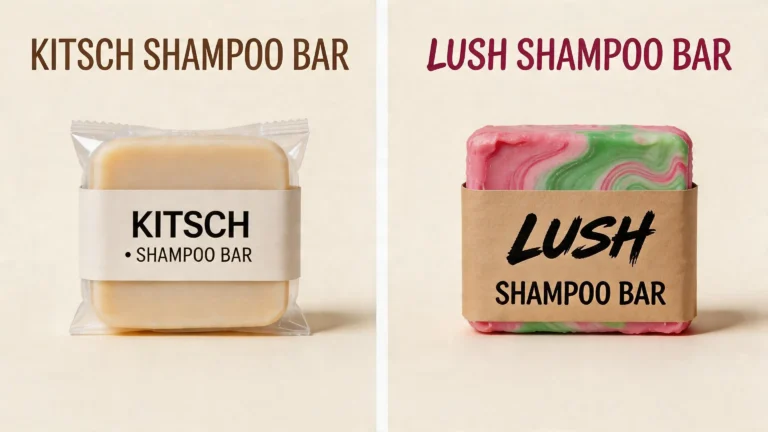
Kitsch Shampoo Bar vs Humby Shampoo Bar: Which One Deserves a Spot?
Shampoo bars have taken the hair care world by storm. More people are ditching plastic bottles for solid, eco-friendly alternatives. Two popular names keep popping up in this space: Kitsch and Humby. But which one actually delivers on its promises?
Choosing between these two can feel tricky. Both brands claim to offer salon-quality results without the waste. Both promise natural ingredients and travel-friendly convenience. Yet they differ in formula, price, lather, and overall hair feel.
This detailed comparison will help you pick the right shampoo bar for your hair type, budget, and lifestyle. Whether you have dry curls, oily roots, or color-treated strands, this post has you covered.
Key Takeaways
- Kitsch shampoo bars use a salon-grade formula with ingredients like rice water protein. They focus on strengthening hair and reducing breakage. The brand has a strong following on social media and offers several scent options.
- Humby shampoo bars lean into a more natural, handmade approach. They use cold-processed methods and plant-based ingredients. Many users love them for sensitive scalps and minimal ingredient lists.
- Lather and feel differ between the two. Kitsch bars tend to produce a rich, creamy lather similar to liquid shampoo. Humby bars create a lighter lather but still clean effectively.
- Price points are fairly close, but Kitsch bars are generally easier to find on Amazon with more reviews. Humby bars have a smaller but loyal customer base.
- Eco-friendliness is a win for both brands. Each bar replaces roughly two to three plastic bottles of liquid shampoo. Both use minimal or recyclable packaging.
- Hair type compatibility matters here. Kitsch works well across most hair types. Humby tends to shine for people who prefer ultra-clean, simple formulas.
What Is a Shampoo Bar and Why Should You Care?
A shampoo bar is a solid block of concentrated hair cleanser. It works like liquid shampoo but comes without the plastic bottle. You simply wet the bar, rub it between your hands or directly on your scalp, and lather up.
The appeal goes beyond just being trendy. Shampoo bars last longer than their liquid counterparts. One bar can replace two or even three bottles of traditional shampoo. That means less waste, less spending, and less clutter in your shower.
They are also perfect for travel. No spills, no TSA liquid restrictions, and no heavy bottles in your bag. Many shampoo bars are also free from sulfates, parabens, and synthetic fragrances.
The market for shampoo bars has grown rapidly. According to recent industry reports, the global shampoo bar market continues to expand as consumers seek sustainable personal care options. Both Kitsch and Humby have positioned themselves well in this growing space.
Kitsch Shampoo Bar: Brand Overview

- STRENGTHEN & REPAIR DAMAGED STRANDS – Powered by nutrient-rich rice water, this shampoo bar helps...
- NOURISHING PROTEIN FOR FULLER-LOOKING HAIR – Formulated with rice protein, known in hair products...
Last update on 2026-10-16 / Affiliate links / Images from Amazon Product Advertising API
Kitsch started as an accessories brand and expanded into hair care. The company is based in Los Angeles and has built a massive online presence. Their shampoo bars gained popularity through social media, especially TikTok and Instagram.
The brand focuses on clean beauty with effective results. Kitsch shampoo bars are vegan, cruelty-free, and made in the USA. They contain no sulfates, parabens, or phthalates.
One standout feature is their use of rice water protein. This ingredient has roots in traditional Asian hair care and is known to strengthen hair and add shine. Kitsch has built much of its marketing around this key ingredient.
Their packaging is minimal and plastic-free. Each bar comes wrapped in recyclable paper. Kitsch also offers conditioner bars, body wash bars, and other sustainable products. The brand clearly targets the eco-conscious consumer who still wants a premium hair care experience.
Pros:
- Contains rice water protein for hair strength
- Sulfate-free and paraben-free formula
- Wide availability on Amazon with thousands of reviews
- Vegan and cruelty-free
- Produces a rich, satisfying lather
Cons:
- Some users report a waxy residue during the adjustment period
- Scent may be too strong for sensitive noses
- May not work as well on very hard water
Humby Shampoo Bar: Brand Overview

- 🌿 1. **Designed for the Needs of Mature Hair** Created with aging hair in mind, this shampoo and...
- 🍇 2. **Botanical-Inspired Ingredient Blend** Featuring blueberry extract, cocoa butter, and wheat...
Last update on 2026-10-16 / Affiliate links / Images from Amazon Product Advertising API
Humby takes a different approach to shampoo bars. This brand focuses on small-batch, handmade products. Their bars use cold-processed methods, which help preserve the natural benefits of each ingredient.
The ingredient lists are short and transparent. Humby bars typically contain plant oils, essential oils, and natural butters. You won’t find long lists of chemicals you can’t pronounce. This simplicity appeals to people who want to know exactly what they are putting on their hair.
Humby positions itself as a brand for the ingredient-conscious consumer. Their products often work well for those with sensitive skin or scalps. Many reviewers praise the gentle cleansing action that doesn’t strip natural oils.
The brand may not have the social media fame of Kitsch, but it has earned a dedicated following. Customers often become repeat buyers once they try the product. Humby also offers variety packs so you can test multiple scents.
Pros:
- Short, clean ingredient list with plant-based components
- Cold-processed to retain natural oil benefits
- Gentle on sensitive scalps
- Handmade in small batches for quality control
- Variety packs available for sampling
Cons:
- Smaller brand with fewer Amazon reviews
- Lather is lighter than many users expect
- May require a longer adjustment period for some hair types
Ingredients Comparison: What Goes Into Each Bar?
Ingredients can make or break a shampoo bar. Let’s look at what each brand puts into their formulas.
Kitsch uses a blend that includes rice water protein, coconut oil, argan oil, and various plant extracts. The formula is designed to strengthen hair while providing moisture. They use gentle surfactants to create that rich lather people love. The ingredient list is moderate in length but avoids harsh chemicals.
Humby keeps things simpler. Their bars often contain olive oil, coconut oil, shea butter, and essential oils for scent. The cold-process method means these oils retain more of their natural properties. There are fewer total ingredients, which reduces the chance of irritation.
If you prefer a science-backed formula with targeted benefits like strengthening and repair, Kitsch has the edge. If you want the most natural option with minimal processing, Humby wins that round. Both brands avoid sulfates and parabens, which is a baseline expectation for modern shampoo bars.
Lather and Cleansing Performance
The lather experience matters more than people think. It affects how the product feels and how well it distributes through your hair.
Kitsch bars produce a thick, creamy lather that feels very similar to traditional liquid shampoo. This makes the transition from bottles to bars much easier. Most users report that the bar cleans thoroughly without leaving hair feeling stripped or dry.
Humby bars create a softer, lighter lather. It still cleans effectively, but the experience feels different. If you are used to big, foamy suds, Humby might feel underwhelming at first. However, many natural hair care enthusiasts prefer this lighter approach because it means fewer detergents in the formula.
Hard water can affect both bars. Some users in hard water areas report that Kitsch leaves a slight residue. An apple cider vinegar rinse usually solves this problem. Humby users report similar issues, though less frequently due to the simpler formula.
Hair Type Suitability
Not every shampoo bar works for every hair type. Here’s how each brand performs across different textures and conditions.
Kitsch works well for normal, oily, and combination hair types. The rice water protein adds strength, making it a good choice for fine or damaged hair. People with thick or curly hair often pair it with a conditioner bar for best results. Color-treated hair users have reported mixed results, with some noticing slight fading over time.
Humby tends to perform best on dry, sensitive, and normal hair types. The rich plant oils provide natural moisture. People with oily hair may find that Humby doesn’t cleanse aggressively enough for their needs. However, those with scalp sensitivity or conditions like eczema often prefer Humby’s gentle formula.
If you have very specific hair concerns, consider trying both brands. Many shampoo bar users rotate between products depending on the season and their hair’s current condition.
Scent and Fragrance Options
Scent plays a big role in the shower experience. Both brands offer options, but they take different paths.
Kitsch offers several scent varieties, including cashmere, vanilla, and floral blends. The fragrances tend to be noticeable and lasting. Some users love the salon-like scent that lingers in their hair. Others find it a bit strong, especially those who are sensitive to fragrances.
Humby uses essential oils for scent rather than synthetic fragrance blends. This results in a more subtle, natural aroma. Options often include lavender, tea tree, peppermint, and citrus. The scent fades faster than Kitsch but feels more authentic and less perfume-like.
If you enjoy a bold, luxurious fragrance, Kitsch is the better pick. If you prefer something light and naturally derived, Humby is your match. Both brands avoid artificial dyes, which is a nice bonus for anyone watching what touches their skin.
Price and Value for Money
Budget matters. Let’s compare what you get for your dollar with each brand.
Kitsch shampoo bars typically retail between $12 and $15 on Amazon. Each bar lasts roughly 2 to 3 months with regular use. That works out to about $4 to $5 per month, which is competitive with mid-range liquid shampoos.
Humby shampoo bars are priced similarly, often in the $10 to $14 range. They also last around 2 to 3 months. Humby’s variety packs can offer slightly better value if you want to try multiple scents without committing to full-size bars.
Both brands offer excellent value compared to salon-brand liquid shampoos. The cost per wash is lower, and you produce virtually zero plastic waste. Factor in the environmental savings, and both options represent smart spending.
Shipping costs can vary, but both brands offer free shipping through Amazon Prime. This makes the purchase convenient and predictable.
Sustainability and Eco-Friendliness
Both Kitsch and Humby earn high marks for sustainability, but let’s look at the details.
Kitsch uses 100% recyclable packaging and has made sustainability a core brand value. Their bars eliminate plastic bottles, and the brand has publicly committed to reducing its carbon footprint. They also partner with environmental organizations and promote zero-waste living on their platforms.
Humby takes sustainability seriously through their small-batch production model. Less mass manufacturing often means a lower overall environmental impact. Their packaging is also minimal and eco-friendly. The cold-process method uses less energy than hot-process manufacturing.
Both brands are cruelty-free and vegan. Neither tests on animals. If sustainability is your primary concern, you really can’t go wrong with either option. The biggest difference is scale: Kitsch operates at a larger level, while Humby maintains a smaller, artisanal approach.
Customer Reviews and Real User Experiences
Real customer feedback reveals a lot about how these products perform outside of marketing claims.
Kitsch has thousands of reviews on Amazon, with an average rating that hovers around 4 out of 5 stars. Positive reviews praise the lather quality, pleasant scent, and noticeable hair strengthening. Negative reviews commonly mention an adjustment period where hair feels waxy or different. Most users say this phase lasts about one to two weeks.
Humby has fewer total reviews but maintains strong ratings from its customer base. Fans love the gentle cleansing, natural ingredients, and how it treats sensitive scalps. Some users wish the lather were richer. Others note that certain scent options work better than others.
A common theme across both brands is the transition period. Switching from liquid shampoo to a bar takes time. Your hair needs to adjust. Most reviewers recommend giving any shampoo bar at least three weeks before making a final judgment.
Which One Should You Choose?
The best choice depends on your priorities and hair needs.
Choose Kitsch if you want a shampoo bar that feels closest to traditional liquid shampoo. The rich lather, recognizable brand, and strengthening formula make it a safe pick for most people. It’s also easier to find and has a larger review base to help set expectations.
Choose Humby if you prioritize ingredient simplicity and natural processing. If you have a sensitive scalp or prefer handmade products with minimal additives, Humby is the stronger option. The essential oil scents and cold-process method appeal to the natural beauty crowd.
Some people even use both. A Kitsch bar for deep cleansing days and a Humby bar for gentle, everyday washes can create a balanced routine. There are no rules that say you must pick just one.
Think about what frustrates you most about your current shampoo. That frustration will point you toward the right bar.
Tips for Getting the Best Results From Any Shampoo Bar
No matter which bar you choose, these tips will help you get the best performance.
Store your bar properly. Keep it on a well-drained soap dish away from direct water spray. A dry bar lasts much longer. If your bar sits in a puddle of water, it will dissolve quickly and waste product.
Use an apple cider vinegar rinse once a week, especially if you have hard water. Mix one tablespoon of ACV with one cup of water. Pour it over your hair after shampooing. This removes buildup and adds shine.
Rub the bar between your hands first to create lather before applying to your scalp. This distributes the product more evenly and prevents over-concentrating it in one spot. Be patient with the transition period. Your scalp needs time to adjust its oil production.
Pair with a conditioner bar for best results, especially if you have dry or long hair. Both Kitsch and Humby offer matching conditioner bars that complement their shampoo formulas.
Final Verdict: Kitsch vs Humby Shampoo Bar
Both Kitsch and Humby make quality shampoo bars that deliver on their core promises. Kitsch wins for overall user experience, lather quality, and brand accessibility. Humby wins for ingredient purity, scalp gentleness, and artisanal quality.
Your perfect match depends on what you value most. Performance-focused buyers will likely prefer Kitsch. Ingredient-focused buyers will lean toward Humby. Either way, you are making a positive choice for your hair and the environment.
The shampoo bar movement is here to stay. Both of these brands represent the best of what this category offers. Try one, give it three weeks, and let your hair decide.
Frequently Asked Questions
Do shampoo bars work as well as liquid shampoo?
Yes, shampoo bars clean just as effectively as liquid shampoo. They use similar cleansing agents in a concentrated solid form. Most users notice no difference in cleanliness after the initial adjustment period of one to three weeks.
How long does a Kitsch shampoo bar last?
A single Kitsch shampoo bar typically lasts 2 to 3 months with regular use. Proper storage on a drained dish extends the life significantly. Each bar replaces approximately two to three bottles of liquid shampoo.
Is the Humby shampoo bar good for sensitive scalps?
Yes, Humby bars are an excellent choice for sensitive scalps. Their short ingredient list and cold-process method result in a gentle formula. Many users with eczema and scalp sensitivity report positive experiences with Humby products.
Can I use these shampoo bars on color-treated hair?
Both bars are sulfate-free, which helps preserve hair color. However, results vary. Some color-treated users report slight fading over time with any shampoo bar. Using a color-protecting conditioner bar can help maintain vibrancy.
Why does my hair feel waxy after switching to a shampoo bar?
This is normal and temporary. Your scalp is adjusting to a new type of cleanser. The waxy feeling usually disappears within one to three weeks. An apple cider vinegar rinse can speed up this transition and remove any residue.
Are Kitsch and Humby shampoo bars travel-friendly?
Absolutely. Both bars are solid, lightweight, and free from TSA liquid restrictions. Simply store them in a small tin or travel case. They won’t leak, spill, or take up much space in your luggage.

Emily is the founder and lead writer of ThriveGuide.blog, bringing over 8 years of experience in beauty journalism and product testing. With a background in cosmetic science and a passion for helping others discover their perfect products, Emily has tested thousands of beauty, fashion, and wellness items. Her honest, research-driven approach has helped countless readers make confident purchasing decisions. When not reviewing the latest products, Emily enjoys exploring sustainable beauty practices and sharing her discoveries with the ThriveGuide community.