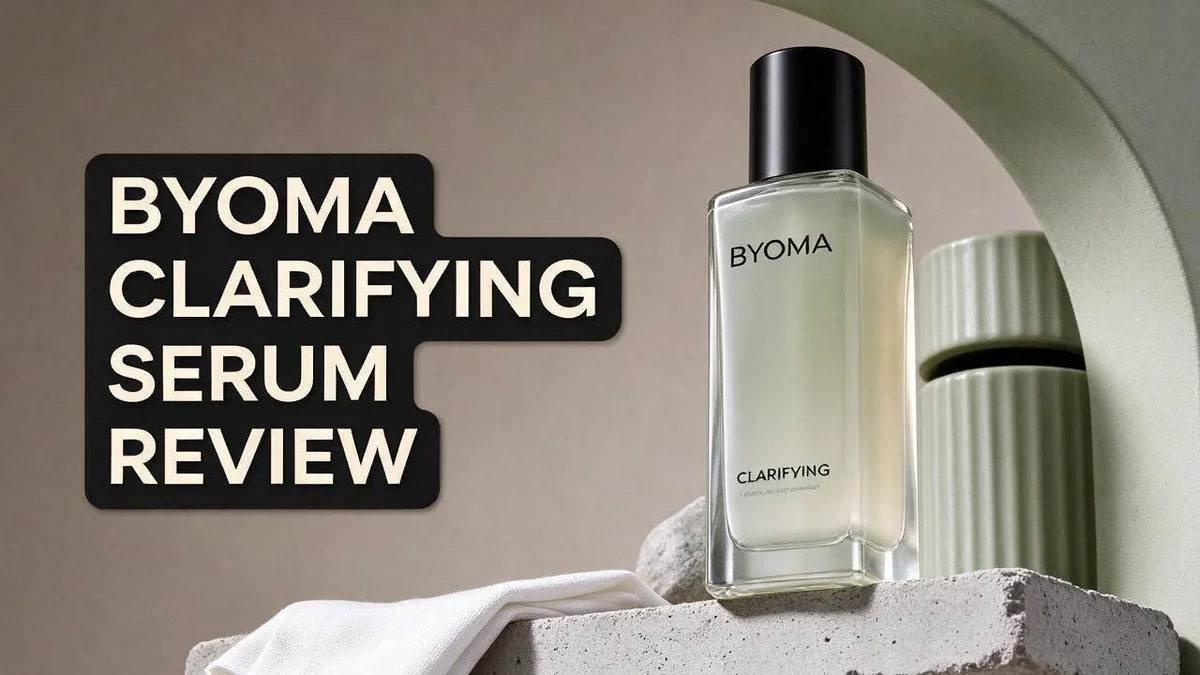
BYOMA Clarifying Serum Review: Is It Worth The Hype?
Looking for a clarifying serum that feels gentle yet effective? The BYOMA Clarifying Serum may be the answer you need. It is made for skin that tends to break out, and it aims to keep your complexion looking calm and clear.
Many people struggle with uneven texture and stubborn spots. This 30 ml serum uses niacinamide, glycerin, and ceramide NP to support your skin barrier. Let us look at what it does well.
In this review, we explore the key ingredients and the benefits it promises. We also share how it fits into a simple daily routine. You will learn whether it suits your skin goals.
Ready to see if this serum earns a spot on your shelf? Keep reading for a clear, honest look at how it performs.
In a Nutshell
Here is a quick summary of the main points. Each one can help you decide if this serum fits your routine.
- Size: The bottle holds 30 ml, so you can see how your skin reacts before you use it every day.
- Hydrating base: Glycerin and niacinamide create a simple base that keeps skin feeling comfortable through the day.
- Barrier support: Ceramide NP and cholesterol help the skin hold moisture, which can ease a dry or tight feeling.
- Spot-prone skin: The brand says this formula helps balance areas that tend to get oily or congested.
- Ingredient list: The formula includes about 26 ingredients, so people with sensitive skin should review the full list first.
- Reviews so far: Few shoppers have shared feedback on this exact serum, and no drawbacks appear in the current research.
- Other Byoma options: The Brightening, Hydrating, and Phyto Mucin Glow serums are often compared with this one.
Overall, this serum offers a gentle option for anyone who wants a clearer and calmer complexion. Check your skin needs before you decide.
Key Ingredients

- BARRIER BOOSTING: This clarifying serum for acne prone skin features our barrier boosting...
- BALANCE & CLARIFY: PHA and zinc gently exfoliate, targeting imperfections and helping unclog pores...

Last update on 2026-11-12 / Affiliate links / Images from Amazon Product Advertising API
The ingredient list tells a clear story about this serum. Each item has a job, and knowing those jobs helps you decide if it fits your routine.
Niacinamide is one of the most talked about ingredients in skincare. It may help even out the look of skin tone over time. Many people also like how it suits a wide range of skin types.
Gluconolactone works as a gentle humectant. It pulls water toward the skin’s surface. Its mild nature makes it a popular pick for people who find stronger acids too harsh.
Hexanediol plays a dual role in the formula. It helps keep the serum fresh and stable on the shelf. It also helps the product glide on evenly during application.
Polyglyceryl 10 Laurate acts as an emulsifier. It keeps water and oil ingredients mixed together. This helps every drop feel smooth and consistent.
Aqua forms the base of the formula, so most of each drop is water. A light base like this often absorbs quickly. That makes it easier to layer with other products.
Ingredient lists can look long at first glance. Focus on the items you already know your skin handles well. Read the full list carefully before you decide.
Patch testing is a smart first step with any new serum. Apply a small amount to your jawline for a few days. Watch for redness, itching, or stinging before you use it every day.
Many people pair this serum with a lightweight moisturizer. Apply the serum to clean, slightly damp skin for the best absorption. Let it settle for a minute before adding the next step.
Think of these ingredients as a team. Some soothe, some hydrate, and some keep the formula stable. Together they shape how the serum feels on your face. Trust your own experience and adjust your use if your skin feels off. A dermatologist can also guide you if you have concerns.
Texture and Application
Texture plays a big role in how a serum feels every day. A formula that sits well on the skin is easier to stick with. Here is what to expect when you start using it.
Begin with clean, dry skin. Place a small amount on your fingertips. Warm the drops slightly between your palms before you press them onto your face.
Press the serum into the skin with gentle taps. Work from the center of the face outward. Avoid heavy rubbing, since it can irritate sensitive areas.
Use it morning or night. Many routines place serums after cleansing and before sunscreen or moisturizer. Wait about a minute so the layer can settle. This gives the next product a smooth surface.
Check how the skin feels after ten minutes. Does it feel comfortable, or does it feel tight? A calm feeling suggests the texture suits you. A sticky feeling suggests you should use less product.
Makeup can also show how the texture behaves. Apply makeup only after the serum has fully settled. If makeup slides or pills, try a thinner layer next time.
Seasons can change how a serum feels. Cold or dry weather may make the skin need more moisture. Humid weather may call for a smaller amount. Adjusting the amount keeps the texture comfortable all year.
Layering order matters too. Place the serum before thicker products so it can sink in. Thick layers placed first can block the serum from reaching the skin. A thin, even layer works best for most people.
Keep a simple log for two weeks. Note how the skin feels in the morning and evening. Small changes add up, and they help you decide whether this texture fits your daily habits.
Skin Types and Suitability
Most skin types can try this serum with care. Its water based feel makes it easy to layer under other products. Your skin type still shapes how it performs for you.
Oily skin often finds a good match. The brand says the formula helps balance areas that feel shiny or congested. Light textures like this one tend to sit well on skin that makes extra oil.
Dry skin may need an extra layer. This serum adds comfort, yet dry areas often need a richer cream on top. Layering the two can help skin feel soft during cold weather.
Combination skin can use it in a smart way. Apply it to oily zones like the nose and chin. Use a heavier moisturizer on drier cheeks.
Sensitive skin should start slowly. Use a few drops every other day at first. Stop use if redness, stinging, or itching appears.
People with occasional breakouts may like the calm finish. The formula aims for a clearer look over time. Results can vary, so patience matters.
Severe acne needs professional advice. A dermatologist can guide treatment plans. This serum works best as a gentle support step, not a cure.
Anyone with known allergies should check first. Read the full ingredient list before the first use. Look closely at any ingredient that caused past reactions.
Mature skin may enjoy the lightweight feel. Pair it with a nourishing cream for extra support during dry months.
A simple skin check helps you decide. Test a small area on your jawline first. Notice comfort, shine, and texture after several days.
Think about your main goal first. Do you want less shine, more comfort, or fewer blemishes? Your answer guides how you use this serum in daily life.
Skin care works best with patience. Many people notice changes after several weeks of steady use. Stay consistent and track your progress honestly.
Top 3 Alternatives
Looking for something different from your current serum? These three alternatives each bring something useful to the table. Read on to see which one fits your skin best.
Paula’s Choice BHA Exfoliant

- Get Full-Size & Travel-Size: This duo features a full bottle and mini bottle of 2% BHA for both...
- Clear Clogged Pores: This 2% salicylic acid-powered toner dissolves pore-clogging buildup, brightens...
Last update on 2026-11-11 / Affiliate links / Images from Amazon Product Advertising API
This liquid exfoliant uses salicylic acid to clear out pores and smooth rough texture. It works well for oily skin that breaks out often. Use it a few nights each week at first. Always wear sunscreen during the day, because exfoliants can make skin more sensitive to the sun.
The Ordinary Salicylic Acid

- TARGETS ACNE & CONGESTION: Salicylic Acid 2% Solution treats acne by exfoliating the skin surface...
- HELPS SKIN HEAL: Formulated to reduce the severity of acne and allow the skin to heal for a...
Last update on 2026-11-12 / Affiliate links / Images from Amazon Product Advertising API
This formula offers the same key ingredient in a simple, gentle form. It helps loosen dead skin cells and keep pores clear. Many people like it because it fits easily into a nightly routine. Start with a small amount and watch how your skin reacts.
The Ordinary Niacinamide

- BOOSTS BRIGHTNESS & SMOOTHNESS: Niacinamide 10% + Zinc 1% visibly improves skin radiance and smooths...
- HYDRATING FORMULA: Lightweight water-based serum that reinforces the skin barrier and provides...
Last update on 2026-11-12 / Affiliate links / Images from Amazon Product Advertising API
Niacinamide is a favorite for calming redness and supporting a more even tone. It also helps the skin look smoother over time. Apply it after cleansing and before your moisturizer. Pick this one if you want a gentle option for daily use.
Each of these alternatives has a clear purpose. Choose the one that matches your skin goals, and always patch test first.
Results and Effectiveness
Results matter most when you invest in a new serum. Many shoppers want to know what changes to expect. This serum works best as a steady habit, not a quick fix.
The brand describes its goal as a calmer and clearer complexion. Clearer skin rarely appears overnight. Most people notice gradual shifts over several weeks.
Start by setting one clear goal. Pick a single thing to watch, such as fewer shiny patches or less redness. A single goal makes results easier to judge.
Take photos in the same light each week. Pictures often reveal small changes that daily mirror checks miss. Comparing week one with week four can show real progress.
Keep expectations realistic. This serum supports skin that is prone to breakouts, but it does not replace treatment for severe acne. A dermatologist can help with stubborn breakouts.
Watch for calmer skin first. Less tightness, fewer rough patches, and a more even surface often appear before major clarity gains. These early signs matter.
Research on this exact serum remains limited. Few reviews exist, so no firm promises can be made. Treat any result as personal, not guaranteed.
Some people may see little change at all. Skin responds differently based on genetics, climate, and daily habits. Sleep, diet, and sun protection also shape outcomes. Consistency plays a role too, since missed days can slow progress.
Stop using the serum if irritation builds. Redness that lasts more than a day deserves attention. Pause the product and speak with a skin professional.
Results also depend on what else sits in the routine. Heavy oils or harsh scrubs can cancel out gains. Keep the rest of the routine simple so the serum can do its job.
In short, judge this serum by steady progress. Give it at least six weeks before deciding. Honest tracking helps you know whether it truly fits your skin.
Scent and Feel
Scent plays a big role in how a serum feels every day. Many people notice the smell before they notice the texture.
The research does not describe the scent of this serum. Check the product page or ask for a sample before you buy.
Patch test any new smell first. Dab a small amount on the inner arm and wait one full day. Fragrance can irritate some skin, even when the base formula feels gentle.
Pay attention to how the scent fades. A light smell that disappears within minutes feels pleasant to many people. A strong smell that lingers may bother you during the day.
Feel after drying matters too. Some serums leave a tacky film that clings to the fingers. Others sink in and leave skin soft without any sticky trace.
Look for a clean dry down. Touch your cheek ten minutes after applying. Skin should feel smooth, not sticky or heavy.
A pleasant smell can make a daily routine feel more enjoyable. That small comfort may help you stay consistent with your skin care steps.
Think about your own sensory preferences. Some people like no scent on the face at all. Others enjoy a gentle, fresh note. Choose what helps you look forward to the routine.
Stop using the product if you notice stinging, burning, or itching around the nose or cheeks. These signs can point to scent sensitivity.
Keep brief notes about smell and feel in your routine log. Write down how the skin feels one hour after use. Simple notes make it easier to decide what works for you.
Compare with what you already own. Think about your current serum and how it smells and feels. Notice whether this one feels lighter or more pleasant on the skin.
Scent can signal freshness to some shoppers, but it does not change how well a serum works. Focus on how your skin responds over time.
Pros and Cons
Pros
- Balances spot-prone skin for a more even look.
- Helps support the skin barrier function.
- Promotes a calmer and clearer complexion.
- Includes niacinamide and ceramide NP for skin support.
- Uses glycerin to help keep skin hydrated.
Cons
- Shopper reviews for this exact serum are still missing.
- The formula has 26 ingredients, so it may feel busy in a simple routine.
- Comedogenic ratings for each ingredient are not listed in the research.
Who Should Buy It
This serum suits people who deal with skin that breaks out from time to time. Many people with occasional blemishes fall into this group. It may help even out the look of the complexion.
People with combination skin often want one product that works across oily and dry areas. This serum pairs glycerin for hydration with ingredients aimed at balance.
Shoppers who already use niacinamide should check their current routine first. Layering several niacinamide products may feel like too much. Read the labels of your other products before you add this serum.
Anyone focused on the skin barrier may find it appealing. The formula includes cholesterol and ceramide NP. These lipids occur naturally in the skin.
People who like a very short routine may prefer a simpler formula. If you want only one or two active ingredients, this serum may feel layered. A shorter list of products often makes routines easier to follow.
Readers with sensitive skin should speak with a dermatologist first. A skin expert can review the full ingredient list with you. This step is smart for anyone with a history of reactions.
Anyone looking for a quick, dramatic result may need patience. Steady use matters more than speed. Give it a fair trial before you judge the results.
In short, this serum suits people who want balance and barrier support in one daily step. It works best for those who enjoy testing new products slowly. Pick it if your goals match what the formula offers.
Final Verdict
Our bottom line: The BYOMA Clarifying Serum has a thoughtful ingredient profile and a clear purpose. It deserves a closer look, especially for people with combination skin and occasional breakouts.
Still, wait for more real world feedback before making it a daily staple.
So, is this serum worth adding to your routine? Our honest answer is that it looks promising, but the proof is still thin. The ingredient list stands out. The formula leans on hydration and skin support, not strong exfoliating acids.
Public reviews are still scarce. That means this verdict relies on the ingredient list and brand claims. Keep that in mind before you buy.
Who should consider it? People with occasional blemishes often find it useful. Anyone who values the skin barrier may also appreciate the ceramide and cholesterol content.
Who may want to pass? People who want a very short routine could feel overwhelmed. A formula with many listed ingredients asks for more attention each morning and night.
Sensitive skin needs extra care. The research lists no documented cons, but that does not guarantee a good fit for everyone. Speak with a dermatologist first if your skin reacts easily.
Check your current routine before you start. If you already use niacinamide products, layering this serum on top may be too much. Introduce it slowly and watch your skin over several weeks.
Think about your goals too. If you want a serum for barrier support plus blemish care, this one covers both angles. Clear goals make it easier to measure progress.
Treat this serum as a promising option, not a guaranteed fix. Give it a fair trial of several weeks, then judge the results for yourself.
Keep a simple photo diary each week to track changes. Small changes often matter more than dramatic ones. Your skin will show you what works best.
Frequently Asked Questions
Should I do a patch test first?
Yes, a patch test is a smart first step. Dab a small amount on your jaw or inner arm for a few days. Stop using it if you notice redness, stinging, or itching.
Where should this serum go in my routine?
Apply it after cleansing and before heavier creams. Lightweight formulas usually absorb best this way. Check the brand’s label for any official directions.
What if I do not see changes?
Give it time and use it consistently. Take a photo of your skin each week, since small changes are easy to miss day to day. If nothing shifts after several weeks, your skin may need a different approach.
Can it replace my other serums?
It works better as a targeted addition than a full replacement. Think about what your current serums already do before adding something new. Using too many active products at once can irritate skin.
Where can I find more recent feedback?
Check retailer pages like Sephora and Target for new comments. Look for reviews from people with skin similar to yours. Fresh feedback helps you decide if this serum fits your needs.

Emily is the founder and lead writer of ThriveGuide.blog, bringing over 8 years of experience in beauty journalism and product testing. With a background in cosmetic science and a passion for helping others discover their perfect products, Emily has tested thousands of beauty, fashion, and wellness items. Her honest, research-driven approach has helped countless readers make confident purchasing decisions. When not reviewing the latest products, Emily enjoys exploring sustainable beauty practices and sharing her discoveries with the ThriveGuide community.